
What becomes faith ?
Tha Anthropologist Dilemma

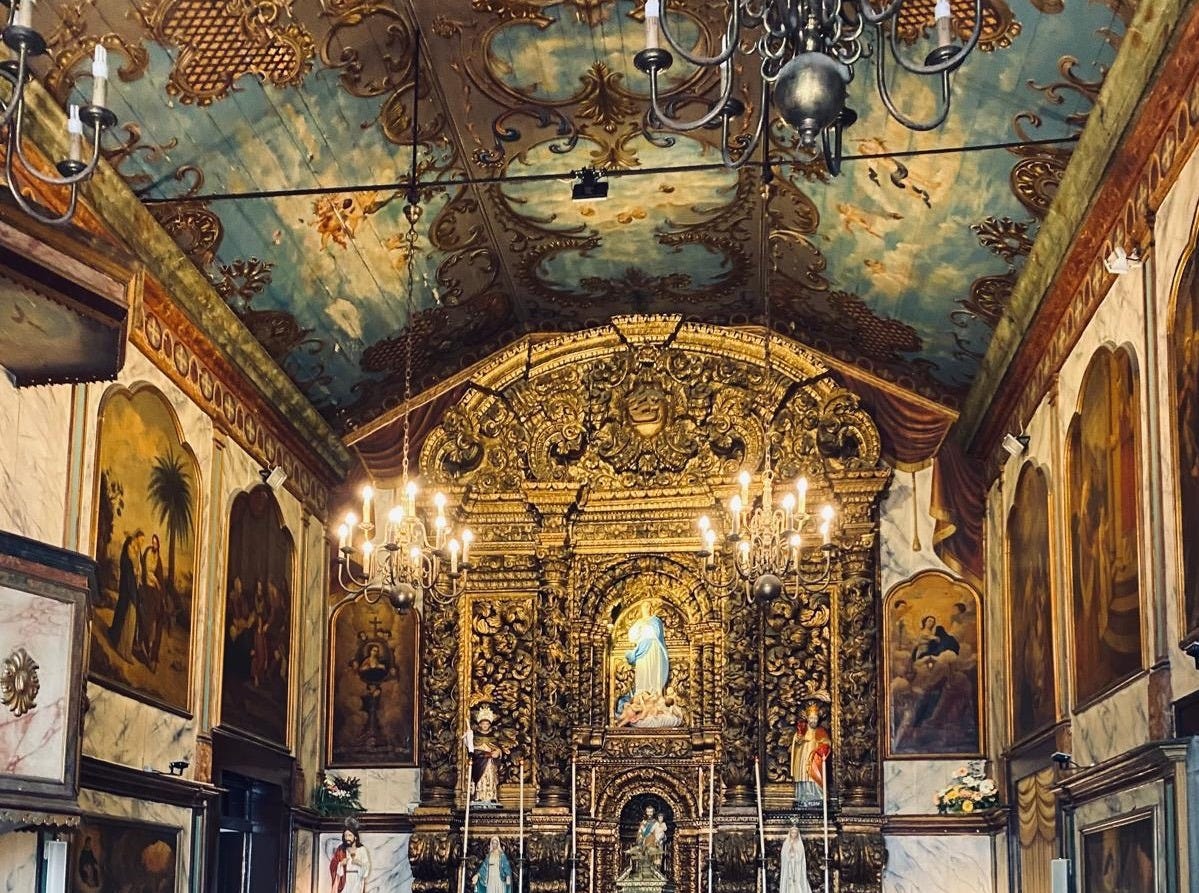
What is participant observation if one refuses to acknowledge its limits?
Certainly not objectivity.
Every observer carries assumptions shaped by education, culture, personal experiences, and countless encounters.
Anthropology has long understood that observation is never entirely neutral, but, actually becomes a valuable element of analysis.
Few subjects emphasize this tension more clearly than religion.
Questions of faith, meaning, transcendence, and mortality touch dimensions of the human condition that are rarely indifferent. Whether believer, agnostic, or atheist, each of us approaches them carrying utter convictions, doubts, intuitions, and even inherited frameworks.
As a Catholic, my encounters with Islam, Orthodoxy, Hinduism, Buddhism, or other religions, cannot be indifferent.
Yet it is precisely within that impossibility of neutrality that something remarkable emerges: the recognition of otherness.
Perhaps one of our greatest capacity is to encounter people whose answers differ radically from our own, while continuing to embrace their dignity and humanity.
Entering Other People’s Sacred Worlds
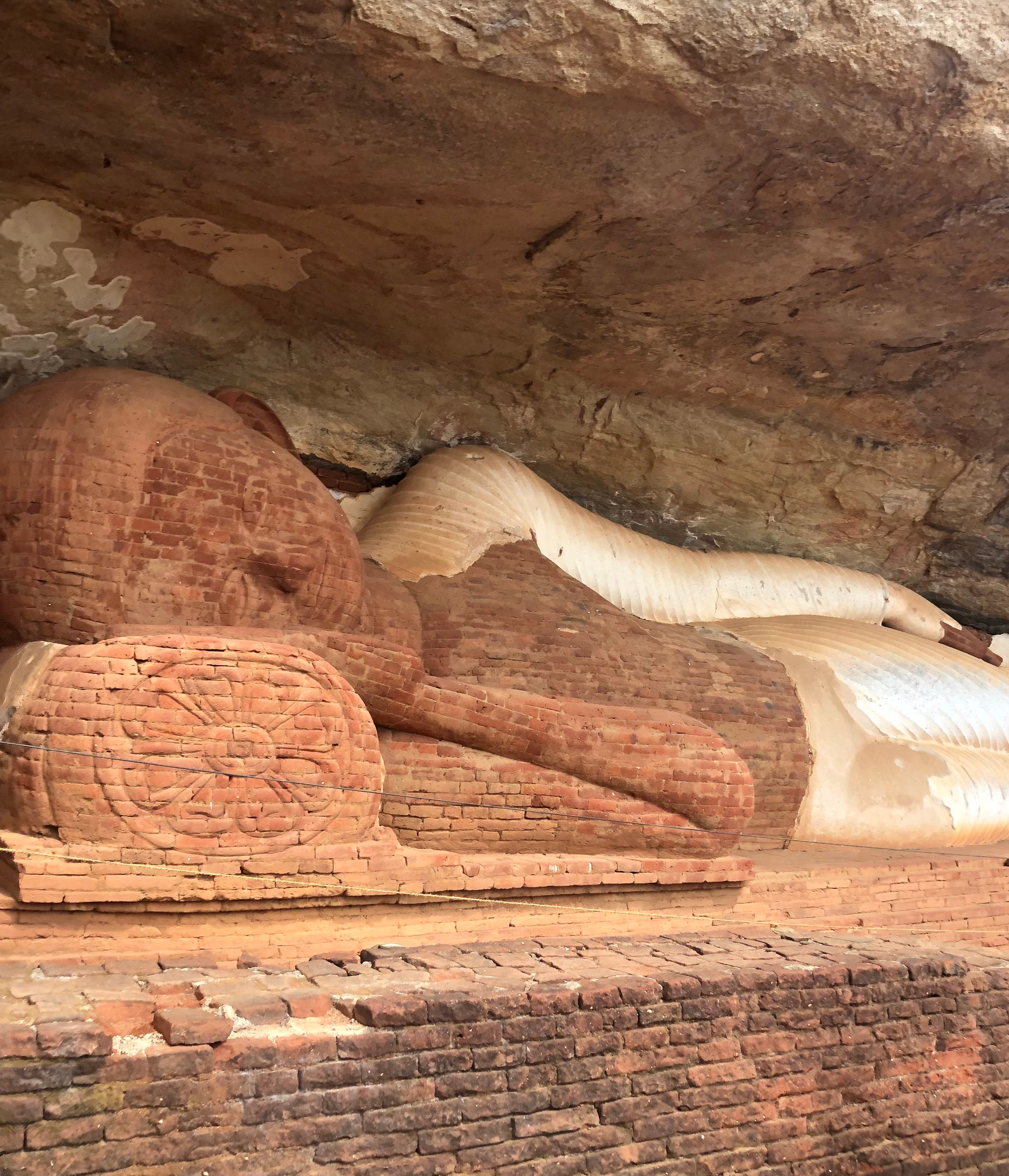
One of the privileges of travel is that it occasionally allows you to step into worlds that are not your own.
Not simply different countries, languages, or landscapes, but different conceptions of reality itself.
Throughout history, human beings have distinguished certain places from ordinary space.
The historian of religions, Mircea Eliade, famously described this distinction as the separation between the sacred and the profane ; moments and places where communities perceive an opening toward something greater than themselves.
Crossing these thresholds of life, even as an observer, is deeply enriching.
Orthodox churches in the Caucasus. Mosques in Morocco. Evangelical congregations in Brazil. Buddhist temples in Asia. Synagogues in Eastern Europe.
Sacred Encounters: Recent Travel Photos
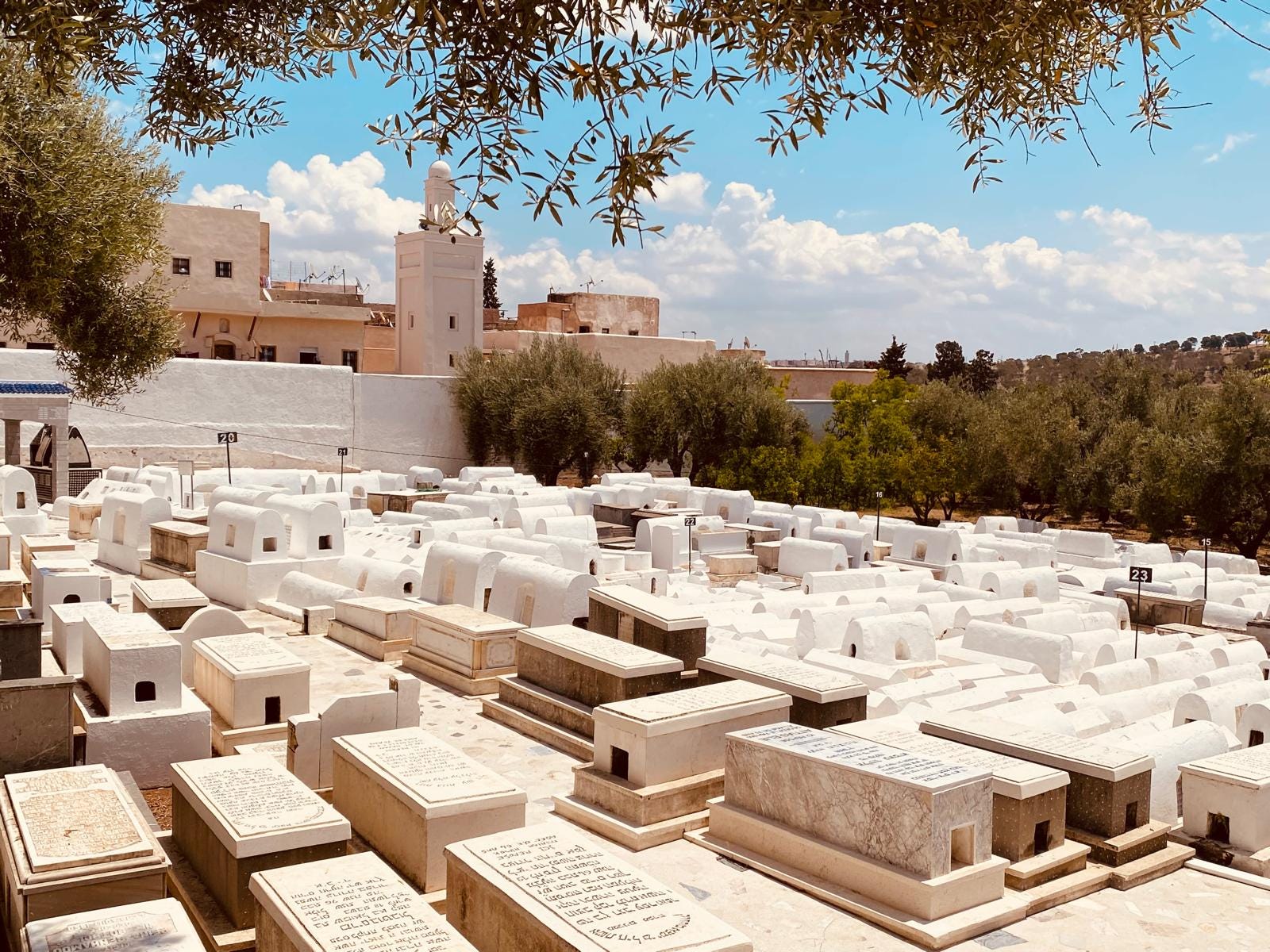
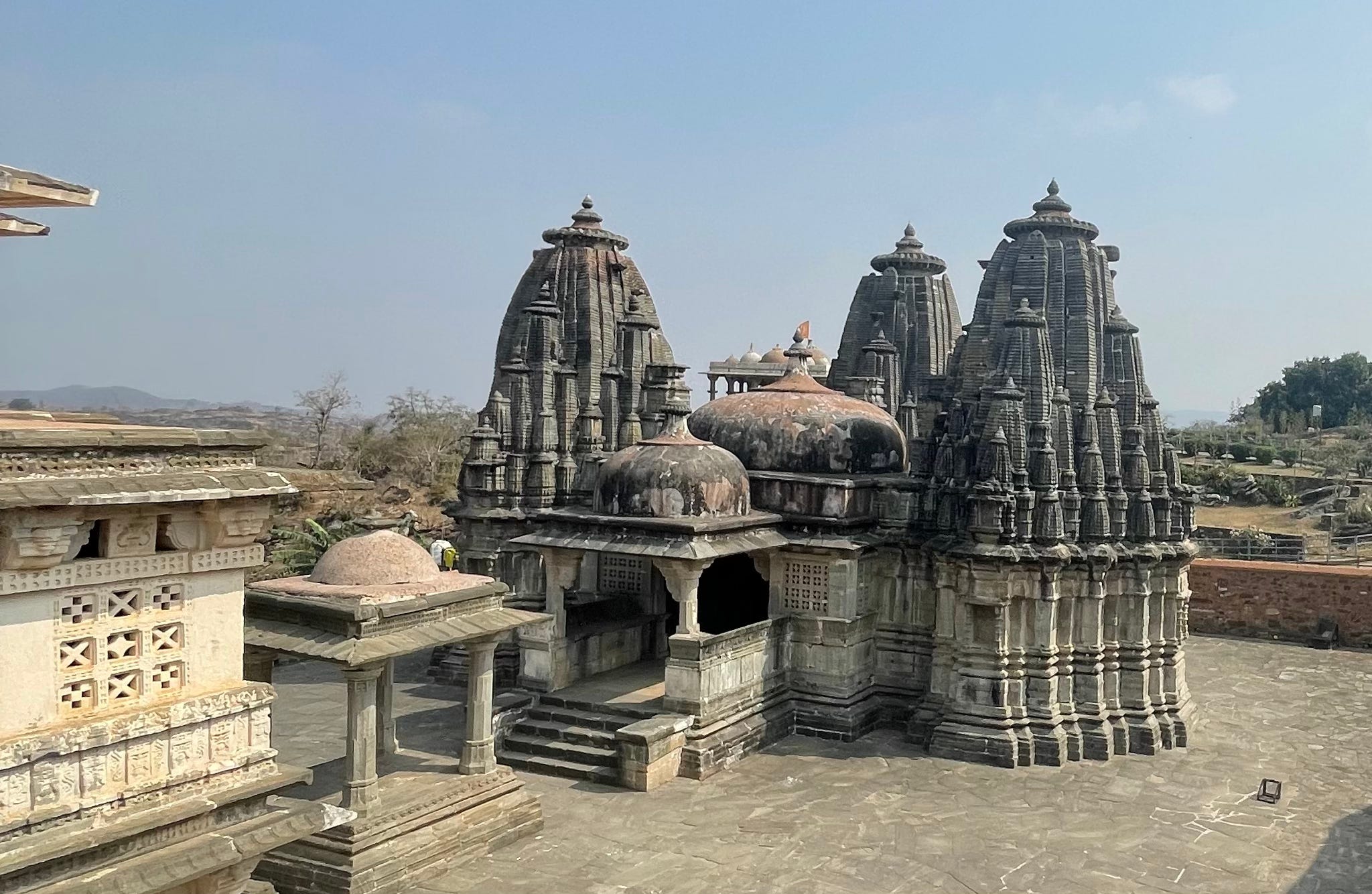
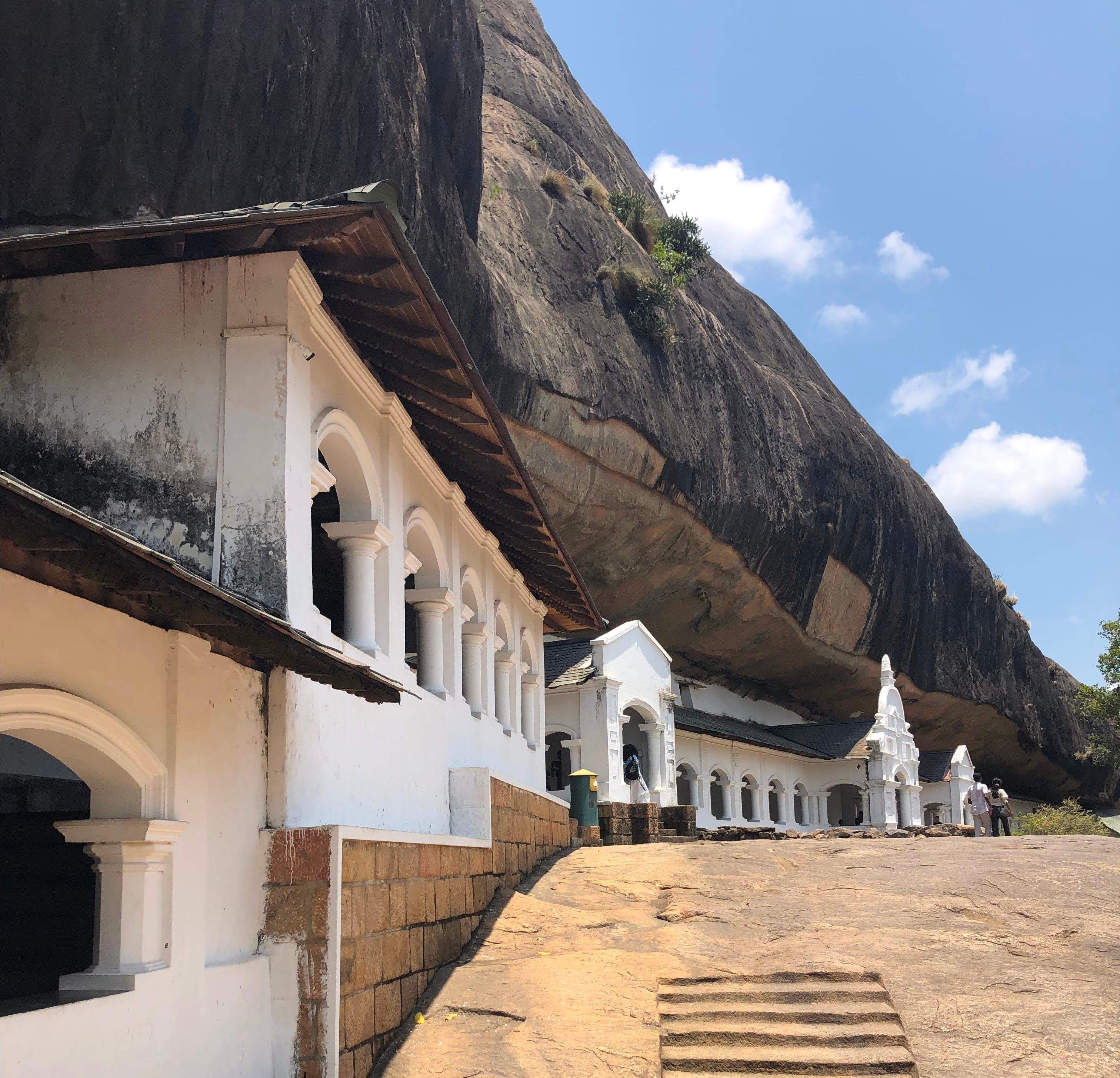
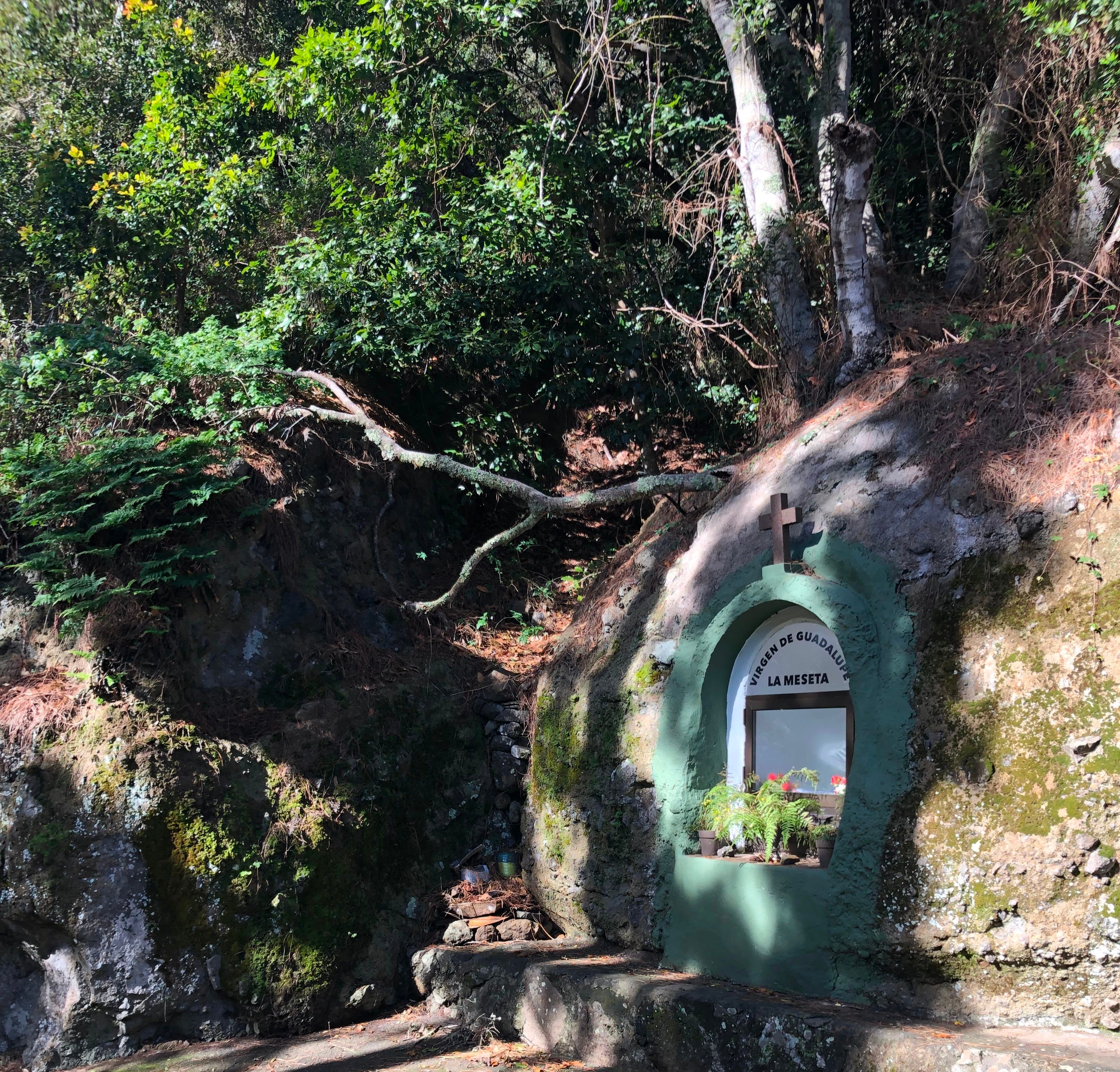
Each expressed a different coded language of faith.
This is an exercise in understanding as it is an inner encounter with alterity.
As a Catholic, I never entered these spaces as a blank slate. My own convictions inevitably accompanied me.
Understanding another sacred world does not begin with agreement, but with attention, perhaps one of the purest forms of respect.
Learning Through Encounter
The tension between conviction and understanding is hardly new.
Long before anthropology became an academic discipline, travellers, missionaries, philosophers, and scholars wrestled with the same challenge:
how does one approach a radically different worldview without immediately reducing it to error, curiosity, or threat?
In the sixteenth century, Bartolomé de las Casas arrived in the Americas as a Dominican friar. His encounters with Indigenous peoples profoundly transformed his understanding of human dignity. He never abandoned or rejected Catholicism, but he increasingly criticized the idea that cultural difference justified annihilation.


Centuries later, Charles de Foucauld would spend years among the Tuareg of the Sahara. Before even attempting to speak about them, he learned their language, documented their poetry, and immersed himself in their world.
Perhaps no modern thinker pushed this lesson further than the great Claude Lévi-Strauss.
Travelling through Brazil in the twentieth century, he repeatedly observed that encounters with other cultures often reveal as much about the observer as about the observed.
The foreign becomes a mirror through which our own assumptions suddenly become visible, a magnificent manifesto of humanity detailed in Tristes Tropiques.
French scholar Louis Massignon reached a similar conclusion through his lifelong study of Islam. Deeply Catholic himself, he regarded the thorough study of another faith as an act of intellectual hospitality.
Respect Without Relativism
Modern discussions about religion are often trapped between unsatisfying extremes.
Hostility, or the assumption that every disagreement is a confrontation. On the other lies a vague relativism in which all beliefs become interchangeable, distinctions no longer matter, and convictions dissolve into a form of cultural politeness or even cowardice.
Are these beliefs enlightened or mistaken ? Rational or irrational ? Progressive or archaic ?
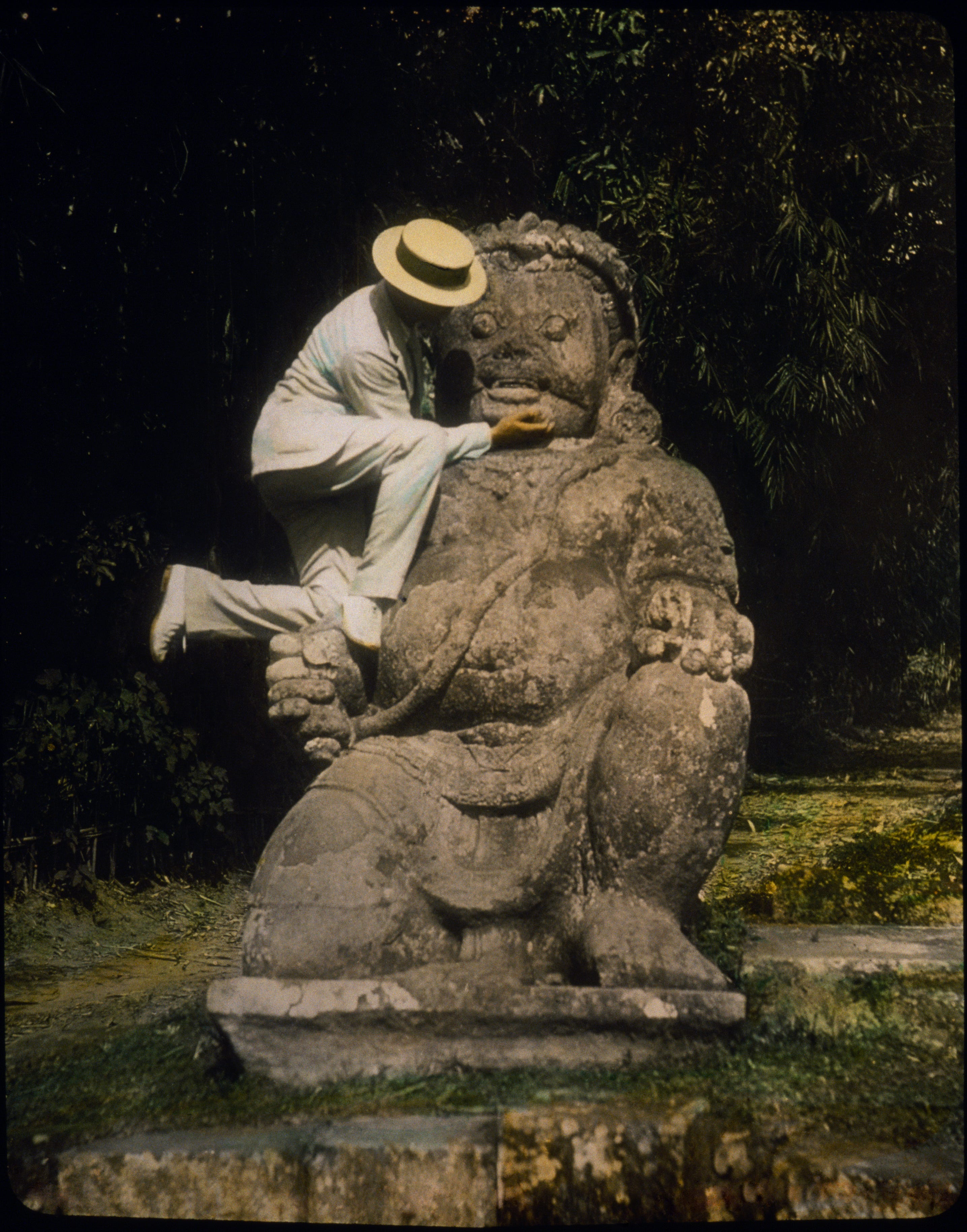
Anthropology, as for most of the social sciences, begins elsewhere. With the effort to understand how a belief emerges from a particular history, landscape, community, and conception of the world.
Travel repeatedly offered me this challenge.
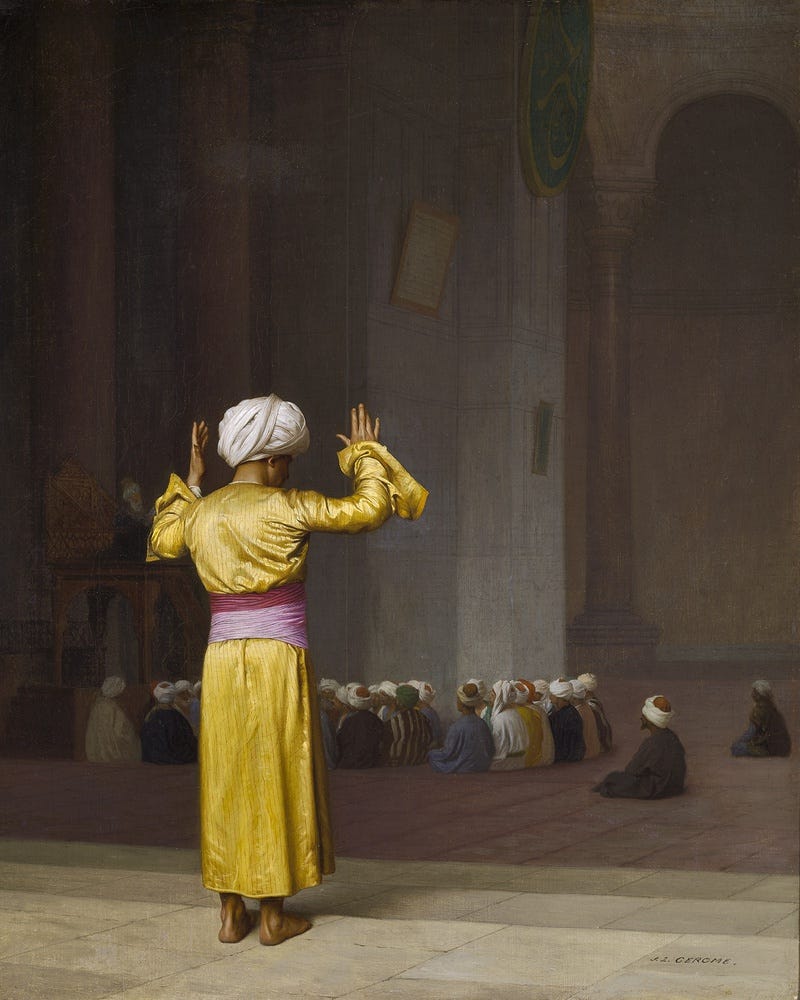
A devout Muslim kneeling in prayer, an Orthodox Christian praying before an icon, a Hindu pilgrim offering flowers at a temple, a Breton family attending a local pardon.
Reducing these acts either to exotic folklore or to abstract theological debates is inherently tempting, forgetting that these gestures are not performed for outsiders, nor by outsiders.
They are lived expressions of meaning.
Kant famously argued that human beings should never be treated merely as means, but always as ends in themselves.
Applied to travel, this principle acquires a remarkable relevance.
Other cultures are not collections of curiosities assembled for our observation. They are communities of human beings engaged in the same fundamental search for meaning, dignity, belonging, and transcendence.


Simply recognizing that conviction itself is a universal human experience.
Rediscovering My Own Tradition
One of the great paradoxes of travel is that it often teaches more about distant lands than home.
Henceforth, moving beyond the superficial character that often colors travel writing, I must reckon that journeying operates, as Claude Lévi-Strauss and many before and after him postured, as a mirror to the self.
A transformative lens through which everyday life and personal history became newly visible.
This is equally true regarding faith.
Growing up between Northern France and Brittany, Catholicism rarely appeared extraordinary.
It belonged to the background of everyday life more than to the foreground of conscious reflection.
Breton faith stands out through a Celtic-christian syncretism and an intimate relationship with death (the Ankou) and gravity.
Unlike other French regions, more secular, this expression of faith is distinctive for its sensory austerity and powerful territorial grounding.
Beyond France: Brittany's Legends

“The abode of the dead merges with that of the living. It is no longer here or there, in this or that land or on this or that islet of the sea: it is everywhere; it extends as far as Brittany itself, and the whole of Brittany literally becomes the “land of the dead.” The legends expressly show this. Inv…
These elements seemed less like cultural peculiarities than simple features of the landscape itself.
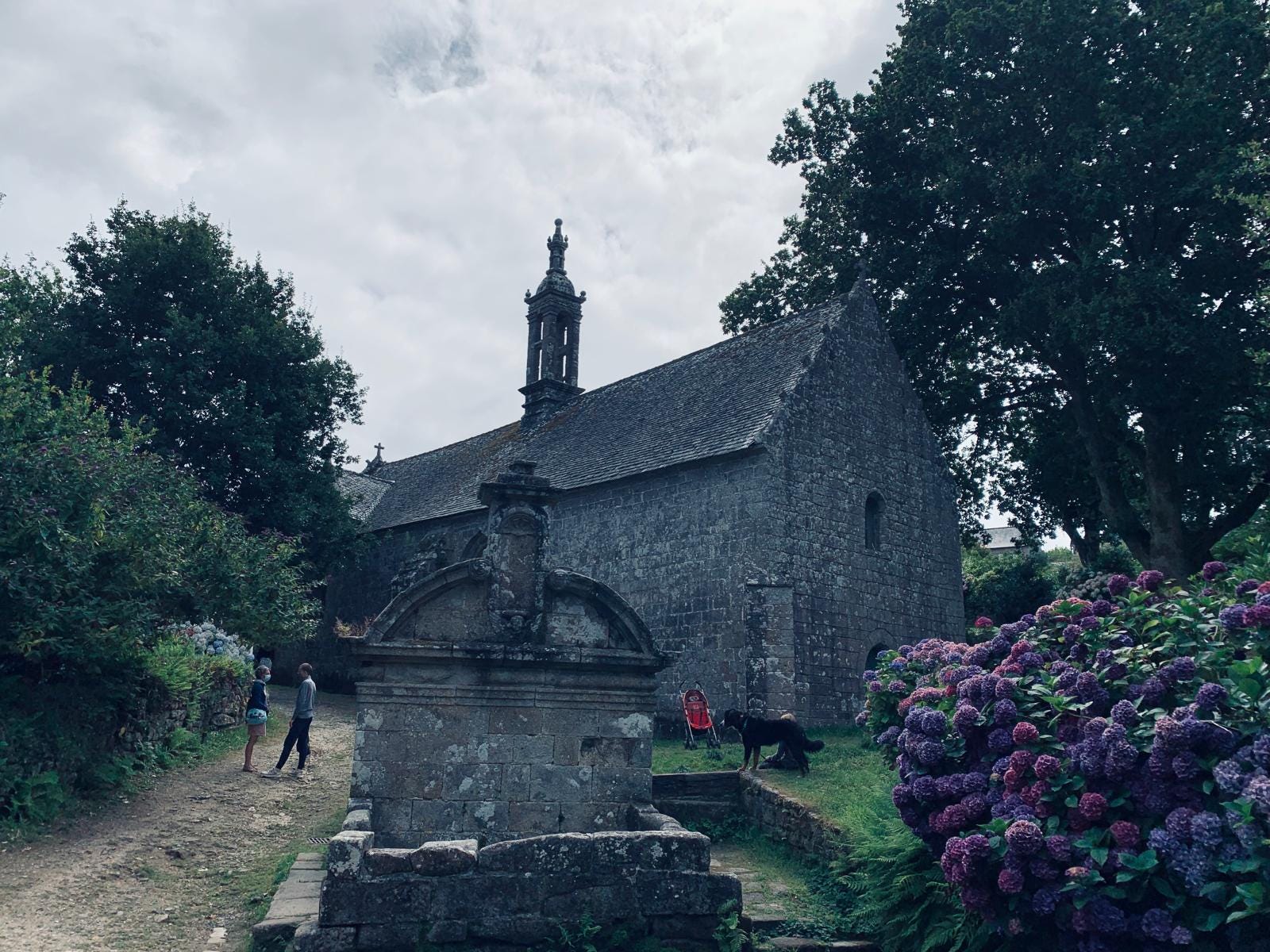
Only later did I realise how distinctive they actually were.
Historian Pierre Nora described certain places as lieux de mémoire ; sites where collective memory crystallizes and endures.
Travel made this increasingly clear.
In Brazil, I encountered forms of Christianity that were often more expressive, more visible, and more deeply integrated into daily public life than those I had known in France.
How often has a taxi driver bid me farewell with a warm “Com Deus”; a gesture unthinkable in France, where strict secularism has turned public faith into a permanent state of persistent tension.
Conversations with Evangelicals introduced me to theological perspectives and spiritual sensibilities that felt simultaneously foreign and familiar. Street preaching, apocalyptic warnings, a profound attachment to the Bible, literal interpretation of Genesis (creationism), and of course, a high-energy spiritual warfare (shouting, casting out evil energies, speaking in tongues).
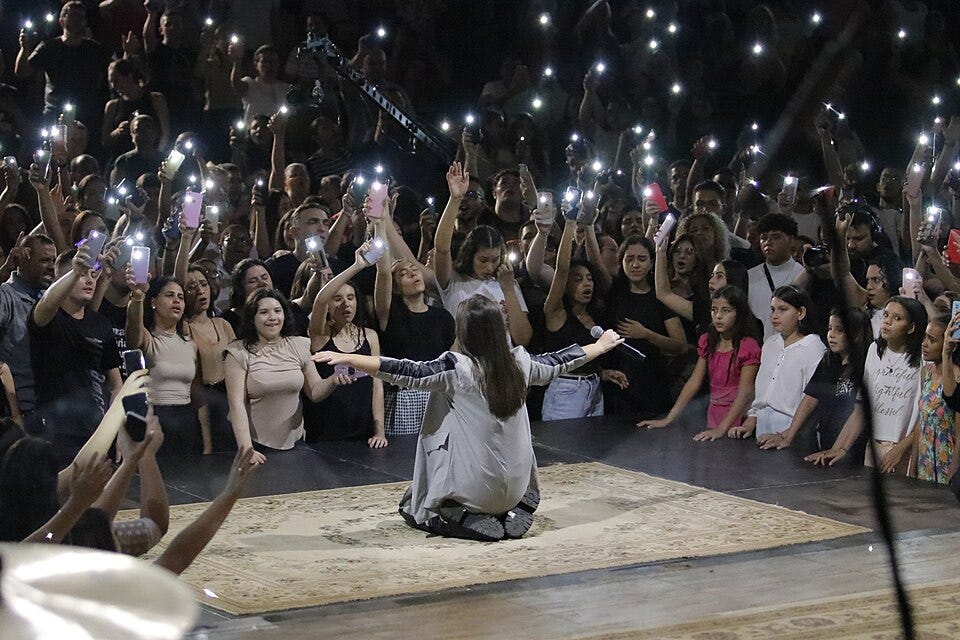
In Georgia, Orthodoxy revealed another dimension of Christianity altogether. One that left me with an everlasting mark of admiration.
The centrality of icons, the role of monasteries, and the profound historical relationship between faith and national identity reflected a Christian tradition shaped by very different historical experiences.
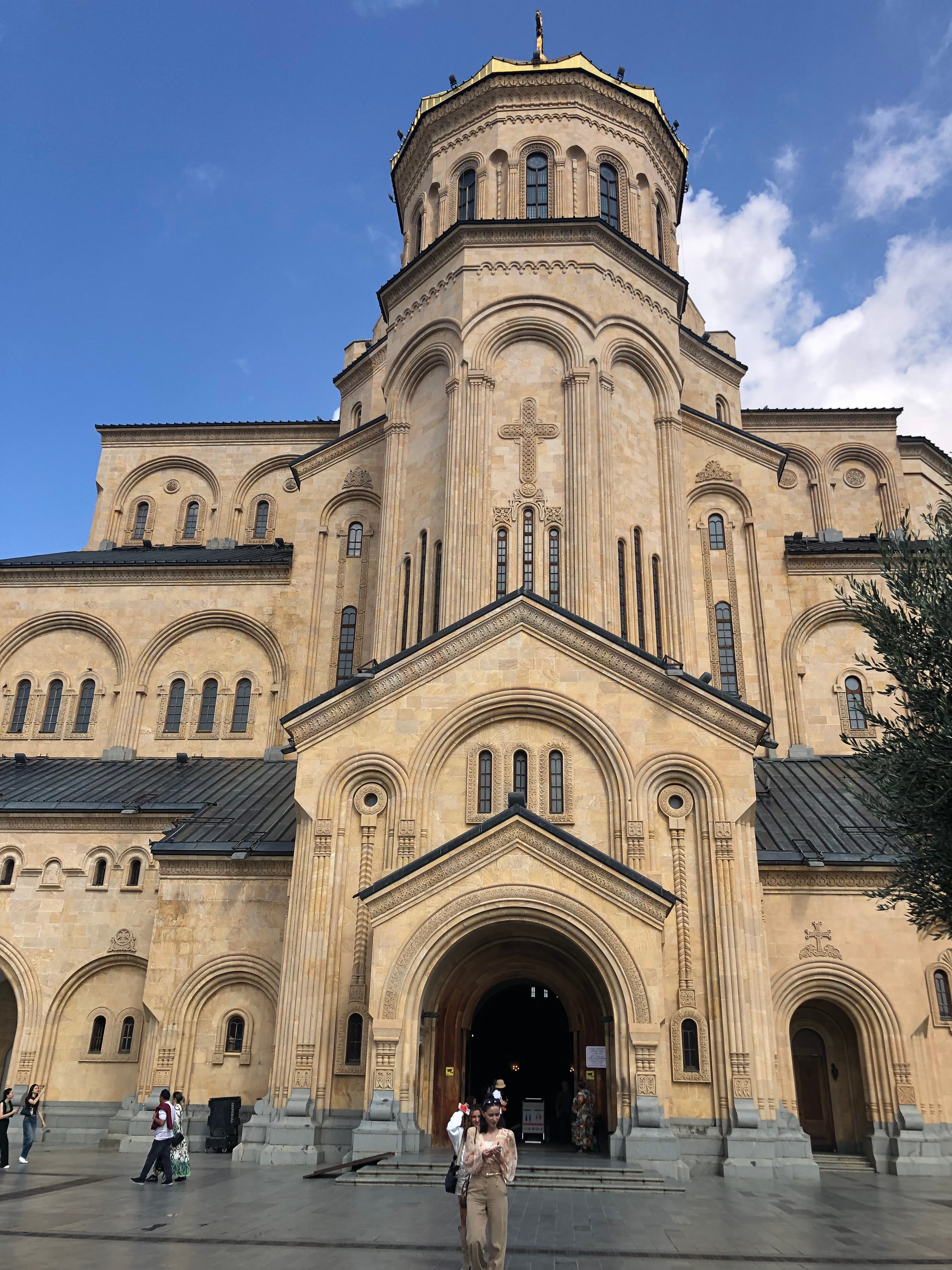
Discovering diversity is a privilege but barely anything new. The discovery of that diversity in the light of its own belief is a profoundly personal encounter.
Travel therefore transformed my understanding of Catholicism. It did not distance me from my tradition but actually allowed me to see it for the first time as something extending beyond theology.
Culture Beyond Theology
Religion rarely exists only as a set of doctrines.
Religion lives in sacred texts but also in landscapes, architecture, music, gestures, food, festivals, and collective memory. It is as empirical as it is conceptual.
Clifford Geertz rightfully referred to religion as a cultural system, a complex web of symbols, such as rituals, interactions, music, or food, that allows communities to interpret reality and regulate emotional life.
More recently, anthropologist Talal Asad has argued that religions cannot be understood as timeless, universal phenomena, but must always be situated within the historical and social traditions that give them meaning.
Anthropological field observations demonstrate how belief systems are lived and enacted rather than just believed.
Iberian Holy Week (in Spain and Portugal) processions are fabulous examples of it. This is a marvelous case of abstract theology turned into a sensory, communal experience through the physical effort of the costaleros and public reenactments of faith.
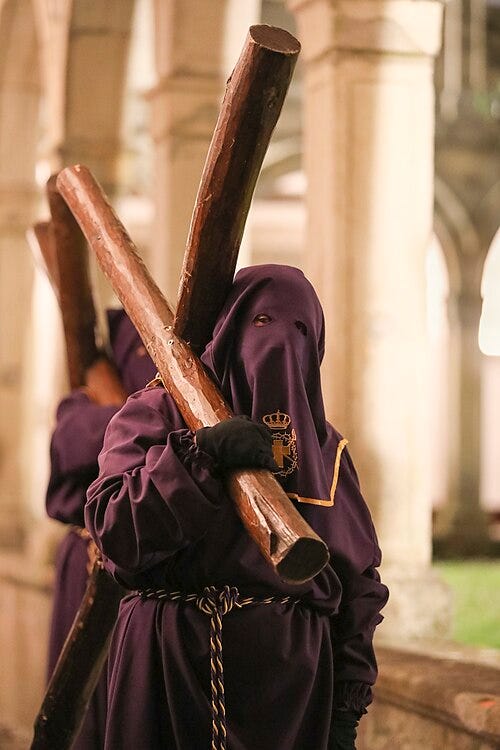
Though theoretically united by a same doctrine in Catholicism, cultural differences are explicitly clear when contrasting Italian, Spanish and French catholics patterns.
While sharing an identical theological core, their lived expressions reveal two distinct cultural systems at work. Spanish Catholicism, for example, is intensely visceral, public, and communal, deeply rooted in the bodily immersion of Baroque traditions and the spatial reclamation of the street by neighborhood.
In contrast, French Catholicism is profoundly shaped by the historical forces of Jansenist rigor, intellectualism, and Republican laïcité (secularism). It has largely retreated into an interiorized, text-driven, and private sphere of devotion. A single doctrine does not produce a uniform reality, religion is continuously refashioned by the historical, political, and sensory matrices of the specific landscape it inhabits.
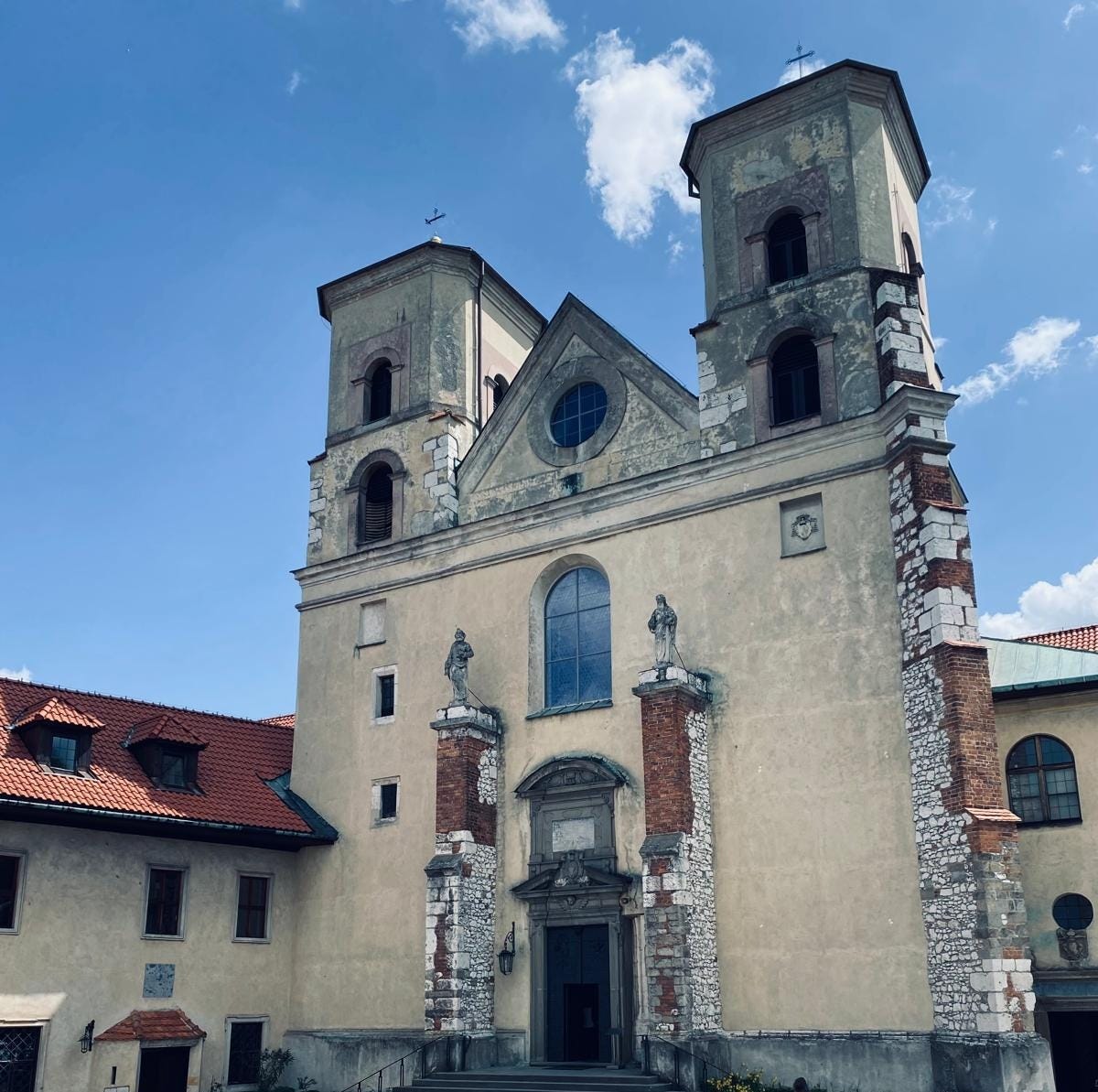
Eastwards, Polish Catholicism uniquely fuses intense faith with national identity, historically serving as the ultimate shield of Polish sovereignty during foreign partitions and communist rule. It is characterized by an emotional, baroque spirituality centered on powerful Marian devotion.
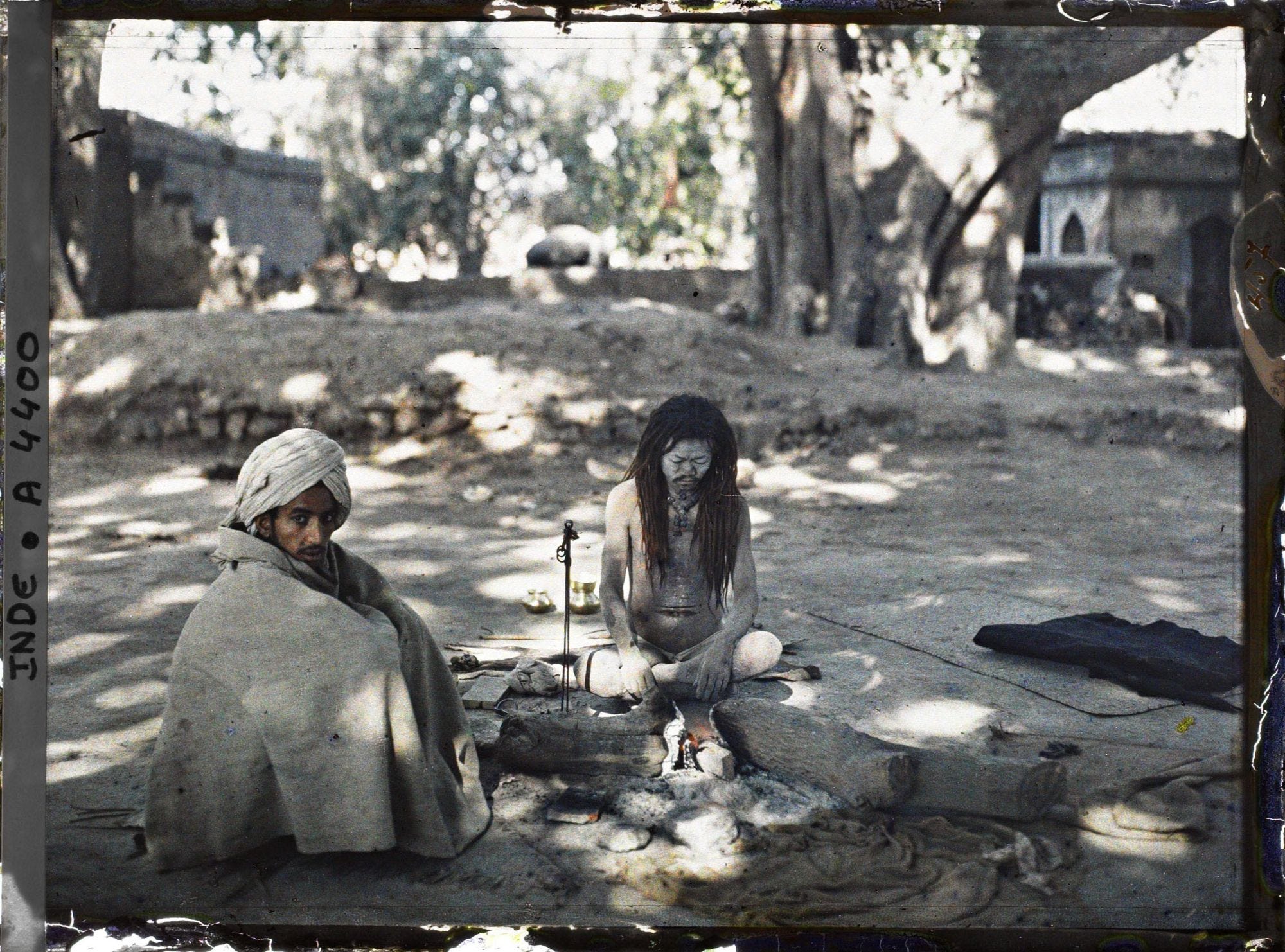
Among the most striking figures encountered in India are the sadhus, Hindu ascetics who renounce ordinary social life in pursuit of spiritual liberation (moksha).
Many abandon possessions, family ties, and material ambitions to dedicate themselves entirely to meditation, pilgrimage, and devotion.
This may appear extraordinary, even marginal.
Yet, within Hindu traditions, they embody one of humanity’s oldest religious ideals: the belief that truth may sometimes be sought through renunciation.
Same Questions, Different Answers
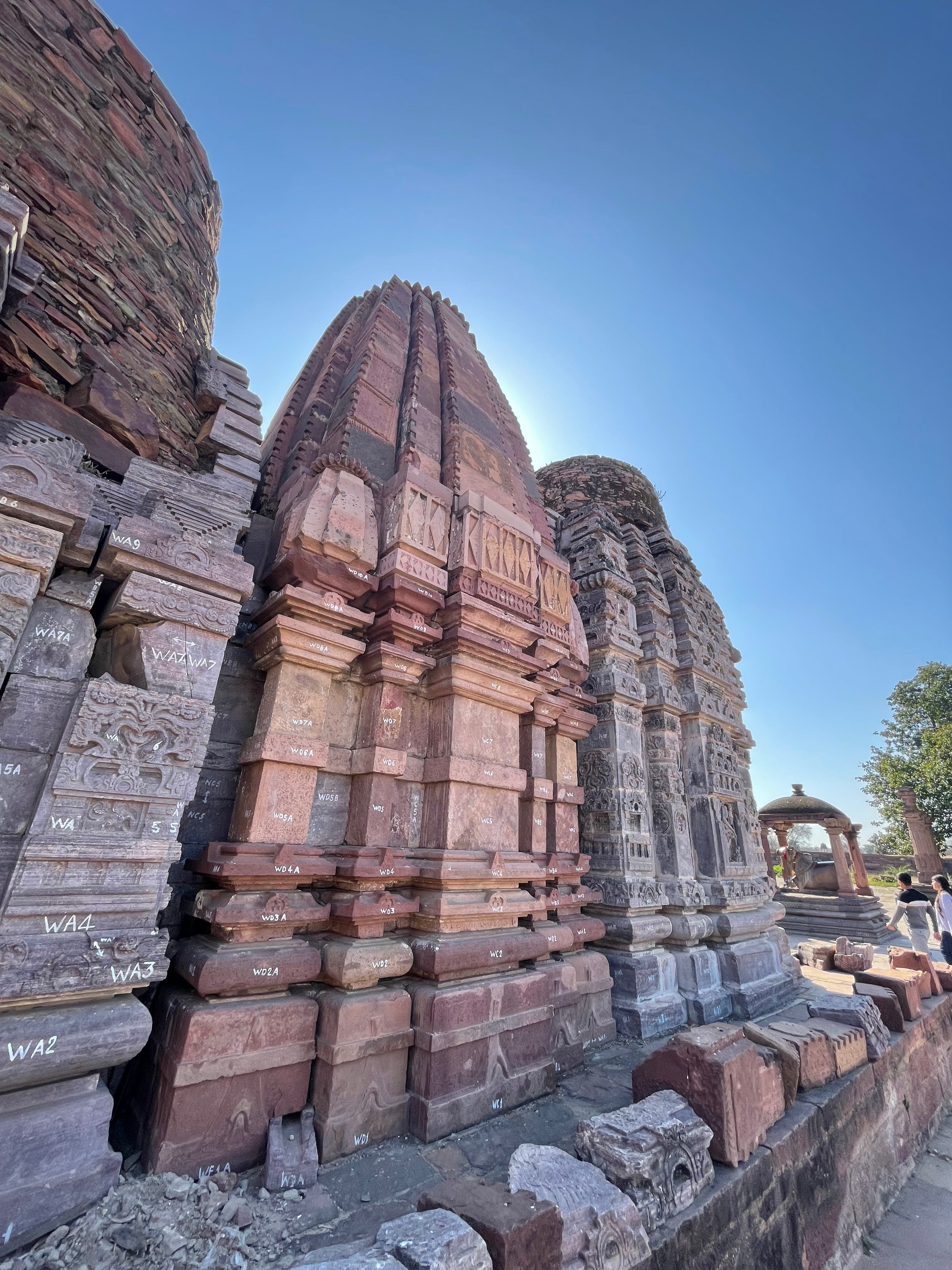
Every civilization leaves behind its sacred geography. Every known civilization has developed concepts that distinguish certain values, places, beings, or practices as sacred.
Many scholars have argued that even highly secularized societies inevitably replace traditional religions with new absolute values like the Nation, Reason, or political ideology.
The traveller who moves from one world to another soon discovers that religions are not interesting because they are exotic, but because they are human, as simple as it may seem.
Every gesture of devotion, every offering, every procession, every call to prayer, every candle lit in a chapel reveals the refusal of human societies to inhabit a purely material and profane world.
Anthropology itself emerged from this astonishment. The encounter with other beliefs does not simply reveal the diversity of cultures and mindsets ; it reveals a shared condition within this nebula.
A common effort to give meaning to existence, to domesticate uncertainty, and to situate human life within a larger horizon.
More than four centuries ago, Montaigne observed that :
“everyone calls barbarism whatever is not his own practice.”
The traveller’s task may simply be to resist that.
Join the Journey.
Immemorial is a long-term project dedicated to exploring sacred landscapes, and the pursuit of a culture and Human Legacy.
If you value an anthropological approach to the world, consider becoming a subscriber.
Your support is the engine that will allow this independent project to grow
A fascinating and profound essay. Many thanks.